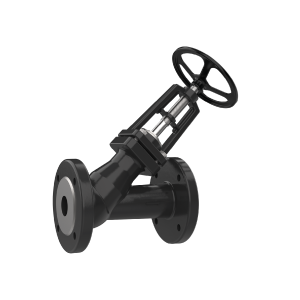
GT | Through conduit gate valves

Categories:

Our BORE GT model through conduit slab or expanding gate valve is a type of industrial valve designed for applications where a full-bore, unobstructed flow path is crucial. These valves are specifically engineered to provide efficient and reliable control of fluid or gas flow in pipelines. The design of through conduit gate valves ensures minimal pressure drop and turbulence, making them suitable for various industries, including oil and gas, petrochemical, and water treatment.

Through conduit gate valves find applications in pipelines where effective isolation and control of fluid or gas flow are essential. Their design and features make them a reliable choice for critical processes within industries that prioritize efficiency, safety, and minimal maintenance requirements. In addition to the through conduit gate valves, there are two common designs associated with gate valves that are often used in various industrial applications: the slab gate design and the expanding gate design.


SIZE: DN15 to DN900 ( NPS 1/2” to 36”).

PRESSURE: PN16 to PN420 (Class 150# to 2500#).

THROUGH CONDUIT SLAB AND EXPANDING GATE VALVES

Our BORE GT model through conduit slab or expanding gate valve is a type of industrial valve designed for applications where a full-bore, unobstructed flow path is crucial. These valves are specifically engineered to provide efficient and reliable control of fluid or gas flow in pipelines. The design of through conduit gate valves ensures minimal pressure drop and turbulence, making them suitable for various industries, including oil and gas, petrochemical, and water treatment.

Key features of through conduit gate valves include:


– Full-Bore Design: Through conduit gate valves have a straight, unobstructed flow path, allowing for maximum flow efficiency with minimal pressure loss. This design is particularly beneficial in applications where high flow rates are essential.

– Gate Mechanism: The valve incorporates a gate that travels parallel to the flow direction within the conduit. This gate can be fully opened or closed, providing precise control over the fluid or gas passing through.

– Bidirectional Sealing: Through conduit gate valves typically offer bidirectional sealing, ensuring effective closure against both upstream and downstream pressures. This bidirectional sealing capability enhances the valve’s reliability and versatility.

– Metal-to-Metal Sealing: These valves often feature metal-to-metal sealing surfaces, which enhances their durability and resistance to wear and corrosion. This is especially important in demanding industrial environments.

– Robust Construction: Through conduit gate valves are constructed with durable materials such as stainless steel or other alloys to withstand harsh operating conditions, including high temperatures and corrosive environments.

– Emergency Sealant Injection System: Some through conduit gate valves may be equipped with an emergency sealant injection system. This feature allows the injection of sealant into the sealing surfaces to ensure a tight seal in critical situations.

– Actuation Options: These valves can be operated manually or automated using various actuation methods, such as electric, pneumatic, or hydraulic actuators. This flexibility in actuation allows for integration into different control systems.


Through conduit gate valves find applications in pipelines where effective isolation and control of fluid or gas flow are essential. Their design and features make them a reliable choice for critical processes within industries that prioritize efficiency, safety, and minimal maintenance requirements. In addition to the through conduit gate valves, there are two common designs associated with gate valves that are often used in various industrial applications: the slab gate design and the expanding gate design. Both of these designs offer unique features and advantages.


– Slab Gate Design:

The slab gate design is characterized by a flat, single gate that moves perpendicular to the flow direction within the valve body.

This design is well-suited for applications where a tight seal is essential, and it provides effective isolation in both low and high-pressure environments.

Slab gate valves are commonly used in pipelines for oil and gas, as well as in other industries where reliable shut-off capabilities are crucial.

– Expanding Gate Design:

The expanding gate design consists of multiple segments that expand or contract horizontally as the gate opens or closes. This design helps create a more effective seal with the conduit walls.

Expanding gate valves are particularly suitable for applications with potential debris or contaminants in the flow, as the expanding gate can scrape and clear any obstacles, ensuring a reliable seal.

This design is often preferred in pipelines that transport hydrocarbons, where maintaining a secure seal over a wide range of temperatures and pressures is critical.


These gate valve designs, whether slab or expanding gate, share some common advantages such as bidirectional sealing and robust construction. However, the choice between them depends on the specific requirements of the application, including factors like pressure conditions, the presence of contaminants, and the need for a bubble-tight seal.

In summary, through conduit gate valves, along with slab and expanding gate designs, offer a range of options for industries requiring precise control and isolation of fluid or gas flow in pipelines. The choice of design depends on the specific operational demands and environmental conditions of the application.


ABOUT BORE BRAND

BORE valves has been established as a Spanish valve development company with own engineering and workshop for a wide range of industrial applications Worldwide.Many years of experience leading valve engineering works succeed in the best quality and efficient designs to be able to withstand the most demanding applications. Our ENGINEERING TEAM and MANUFACTURING PROFESSIONALS are proud of every product made, ensuring the most reliable designs and best material performance to exceed every customer requirement.

At BORE valves, we take pride in being a reliable provider of high-quality and cost-effective API industrial valves. With a rich background in engineering, manufacturing and sourcing from top-notch suppliers, together with our manufacturing procedures and quality management system, we ensure that our valves can meet the highest industry standards to meet and exceed your expectations. Our commitment to delivering the highest quality industrial valves begins with a meticulous approach to design, engineering, and production control. We work with the most popular software tools that, together with long time proved experience and know-how, every valve becomes a cost-effective design solution and able to comply with the most demanding standards and customer specifications.

Applications

Through conduit gate valves find applications in various industries where precise control, minimal pressure drop, and reliable isolation of fluid or gas flow are essential. Some of the common applications include:


Oil and Gas Industry: Through conduit gate valves are widely used in upstream, midstream, and downstream oil and gas operations.

They are employed in pipelines for crude oil, natural gas, and refined products, providing effective isolation during maintenance or emergencies.


Petrochemical Industry: Petrochemical processes involve the transport of various fluids, including chemicals and petrochemical products.

Through conduit gate valves are used in petrochemical plants for controlling the flow of these substances in pipelines and ensuring safety during maintenance activities.


Water Treatment Plants: In water treatment facilities, through conduit gate valves play a role in controlling the flow of water in distribution pipelines.

They are used for isolating sections of the water supply system during maintenance or repairs.


Power Generation: Power plants, both conventional and nuclear, use through conduit gate valves for controlling the flow of water, steam, or other fluids in piping systems.

These valves provide efficient isolation during maintenance or shutdown procedures.


Chemical Processing Plants: Chemical manufacturing facilities often handle corrosive and hazardous fluids.

Through conduit gate valves are employed to control the flow of these substances, ensuring safety and preventing leaks during various processes.


Mining Industry: In mining operations, through conduit gate valves are used in slurry pipelines to control the flow of abrasive and solid-laden materials.

They provide reliable isolation and control in harsh environments.


Pipeline Transportation: Through conduit gate valves are crucial components in long-distance pipeline systems for transporting natural gas, crude oil, or other fluids.

They offer efficient flow control and isolation capabilities, allowing for the safe and reliable operation of the pipeline.


Shipbuilding and Maritime Industry: These valves are utilized in shipbuilding and maritime applications, including on board tankers and vessels, to control the flow of liquids and gases.


Refineries: Refineries use through conduit gate valves in various processes such as refining crude oil and processing different petroleum products. These valves contribute to the safe and efficient operation of refinery systems.


Through conduit gate valves are versatile and can be customized to meet the specific requirements of different industries. Their ability to provide full-bore, unobstructed flow, along with bidirectional sealing and robust construction, makes them suitable for a wide range of applications where fluid or gas flow control is critical.

Documentation

THROUGH CONDUIT SLAB AND EXPANDING GATE VALVES

Our BORE GT model through conduit slab or expanding gate valve is a type of industrial valve designed for applications where a full-bore, unobstructed flow path is crucial. These valves are specifically engineered to provide efficient and reliable control of fluid or gas flow in pipelines. The design of through conduit gate valves ensures minimal pressure drop and turbulence, making them suitable for various industries, including oil and gas, petrochemical, and water treatment.

Key features of through conduit gate valves include:


– Full-Bore Design: Through conduit gate valves have a straight, unobstructed flow path, allowing for maximum flow efficiency with minimal pressure loss. This design is particularly beneficial in applications where high flow rates are essential.

– Gate Mechanism: The valve incorporates a gate that travels parallel to the flow direction within the conduit. This gate can be fully opened or closed, providing precise control over the fluid or gas passing through.

– Bidirectional Sealing: Through conduit gate valves typically offer bidirectional sealing, ensuring effective closure against both upstream and downstream pressures. This bidirectional sealing capability enhances the valve’s reliability and versatility.

– Metal-to-Metal Sealing: These valves often feature metal-to-metal sealing surfaces, which enhances their durability and resistance to wear and corrosion. This is especially important in demanding industrial environments.

– Robust Construction: Through conduit gate valves are constructed with durable materials such as stainless steel or other alloys to withstand harsh operating conditions, including high temperatures and corrosive environments.

– Emergency Sealant Injection System: Some through conduit gate valves may be equipped with an emergency sealant injection system. This feature allows the injection of sealant into the sealing surfaces to ensure a tight seal in critical situations.

– Actuation Options: These valves can be operated manually or automated using various actuation methods, such as electric, pneumatic, or hydraulic actuators. This flexibility in actuation allows for integration into different control systems.


Through conduit gate valves find applications in pipelines where effective isolation and control of fluid or gas flow are essential. Their design and features make them a reliable choice for critical processes within industries that prioritize efficiency, safety, and minimal maintenance requirements. In addition to the through conduit gate valves, there are two common designs associated with gate valves that are often used in various industrial applications: the slab gate design and the expanding gate design. Both of these designs offer unique features and advantages.


– Slab Gate Design:

The slab gate design is characterized by a flat, single gate that moves perpendicular to the flow direction within the valve body.

This design is well-suited for applications where a tight seal is essential, and it provides effective isolation in both low and high-pressure environments.

Slab gate valves are commonly used in pipelines for oil and gas, as well as in other industries where reliable shut-off capabilities are crucial.

– Expanding Gate Design:

The expanding gate design consists of multiple segments that expand or contract horizontally as the gate opens or closes. This design helps create a more effective seal with the conduit walls.

Expanding gate valves are particularly suitable for applications with potential debris or contaminants in the flow, as the expanding gate can scrape and clear any obstacles, ensuring a reliable seal.

This design is often preferred in pipelines that transport hydrocarbons, where maintaining a secure seal over a wide range of temperatures and pressures is critical.


These gate valve designs, whether slab or expanding gate, share some common advantages such as bidirectional sealing and robust construction. However, the choice between them depends on the specific requirements of the application, including factors like pressure conditions, the presence of contaminants, and the need for a bubble-tight seal.

In summary, through conduit gate valves, along with slab and expanding gate designs, offer a range of options for industries requiring precise control and isolation of fluid or gas flow in pipelines. The choice of design depends on the specific operational demands and environmental conditions of the application.


ABOUT BORE BRAND

BORE valves has been established as a Spanish valve development company with own engineering and workshop for a wide range of industrial applications Worldwide.Many years of experience leading valve engineering works succeed in the best quality and efficient designs to be able to withstand the most demanding applications. Our ENGINEERING TEAM and MANUFACTURING PROFESSIONALS are proud of every product made, ensuring the most reliable designs and best material performance to exceed every customer requirement.

At BORE valves, we take pride in being a reliable provider of high-quality and cost-effective API industrial valves. With a rich background in engineering, manufacturing and sourcing from top-notch suppliers, together with our manufacturing procedures and quality management system, we ensure that our valves can meet the highest industry standards to meet and exceed your expectations. Our commitment to delivering the highest quality industrial valves begins with a meticulous approach to design, engineering, and production control. We work with the most popular software tools that, together with long time proved experience and know-how, every valve becomes a cost-effective design solution and able to comply with the most demanding standards and customer specifications.

Applications

Through conduit gate valves find applications in various industries where precise control, minimal pressure drop, and reliable isolation of fluid or gas flow are essential. Some of the common applications include:


Oil and Gas Industry: Through conduit gate valves are widely used in upstream, midstream, and downstream oil and gas operations.

They are employed in pipelines for crude oil, natural gas, and refined products, providing effective isolation during maintenance or emergencies.


Petrochemical Industry: Petrochemical processes involve the transport of various fluids, including chemicals and petrochemical products.

Through conduit gate valves are used in petrochemical plants for controlling the flow of these substances in pipelines and ensuring safety during maintenance activities.


Water Treatment Plants: In water treatment facilities, through conduit gate valves play a role in controlling the flow of water in distribution pipelines.

They are used for isolating sections of the water supply system during maintenance or repairs.


Power Generation: Power plants, both conventional and nuclear, use through conduit gate valves for controlling the flow of water, steam, or other fluids in piping systems.

These valves provide efficient isolation during maintenance or shutdown procedures.


Chemical Processing Plants: Chemical manufacturing facilities often handle corrosive and hazardous fluids.

Through conduit gate valves are employed to control the flow of these substances, ensuring safety and preventing leaks during various processes.


Mining Industry: In mining operations, through conduit gate valves are used in slurry pipelines to control the flow of abrasive and solid-laden materials.

They provide reliable isolation and control in harsh environments.


Pipeline Transportation: Through conduit gate valves are crucial components in long-distance pipeline systems for transporting natural gas, crude oil, or other fluids.

They offer efficient flow control and isolation capabilities, allowing for the safe and reliable operation of the pipeline.


Shipbuilding and Maritime Industry: These valves are utilized in shipbuilding and maritime applications, including on board tankers and vessels, to control the flow of liquids and gases.


Refineries: Refineries use through conduit gate valves in various processes such as refining crude oil and processing different petroleum products. These valves contribute to the safe and efficient operation of refinery systems.


Through conduit gate valves are versatile and can be customized to meet the specific requirements of different industries. Their ability to provide full-bore, unobstructed flow, along with bidirectional sealing and robust construction, makes them suitable for a wide range of applications where fluid or gas flow control is critical.

Documentation

A valve solution for every industry.

icon mining

Mining

icon metal

Steel

icon food

Food

icon power

Power

icon cement

Cement

icon chemistry

Chemical

icon paper

Paper

icon water

Water

icon oil and gas

Oil&Gas

icon alternatives

Bio