Oil & Gas
industry
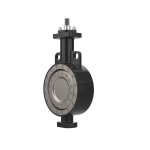
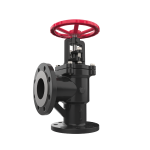
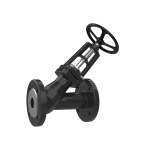
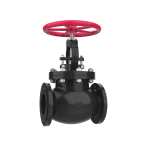
Valves in the oil and gas industry control fluid flow during extraction, processing, and transportation. Engineered for reliability and safety, gate, globe, and ball valves play a critical role in regulating the flow of oil and gas in diverse operational environments. These valves contribute to efficient and secure operations in the oil and gas sector.

Committed to your efficiency
Experience reduced maintenance downtime and increased operational efficiency with our advanced valve solutions tailored for industries. Our innovative designs prioritize durability, minimizing the need for frequent maintenance, ensuring sustained reliability and cost-effectiveness for your industrial processes.
Main applications for the oil and gas industry
In the oil and gas industry, valves are essential components that play critical roles in controlling fluid flow and ensuring the efficiency, safety, and reliability of various processes. Key applications include:
| Wellhead Control: Valves regulate the flow of oil or gas at the wellhead, controlling production rates and managing pressure to optimize extraction.
| Pipeline Transportation: Valves control the flow of crude oil and natural gas in pipelines, facilitating transportation from production fields to processing facilities and distribution points.
| Processing and Refining: Valves are integral in refining and processing operations, controlling the flow of crude oil and directing it through various units such as distillation columns, reactors, and separation units.
| Pressure Regulation: Pressure relief valves and control valves are used to regulate and control pressure levels in pipelines, vessels, and equipment, ensuring safe and efficient operations.
| Shutdown and Emergency Systems: Emergency shutdown valves (ESD) play a crucial role in quickly isolating sections of a facility or shutting down operations in case of emergencies to prevent accidents and protect personnel and assets.
| Gas Compression and Injection: Valves regulate the flow of compressed natural gas (CNG) or injected gases in processes like enhanced oil recovery (EOR) to optimize production and reservoir pressure.
| Gas Processing: Valves control the flow of natural gas in processing plants, where impurities are removed, and the gas is conditioned for distribution and utilization.
| Storage Facilities: Valves control the filling, withdrawal, and pressure in storage tanks for crude oil, natural gas liquids (NGLs), and refined products.
| Metering and Custody Transfer: Valves are integrated into metering systems for accurate measurement of oil and gas volumes during custody transfer and billing.
| Safety Systems: Valves are crucial components in safety systems, including blowout preventers (BOPs), relief valves, and emergency shutdown systems, ensuring the protection of personnel, equipment, and the environment.
| LNG (Liquefied Natural Gas) Facilities: Valves play a key role in controlling the flow of LNG in liquefaction, storage, and regasification facilities, ensuring safe and efficient handling of liquefied gas.
In summary, valves are fundamental to the oil and gas industry, contributing to the control, safety, and efficiency of processes involved in the exploration, production, transportation, and refining of hydrocarbons.