Water treatment &
distribution industry
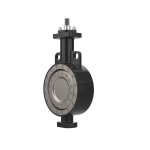
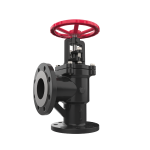
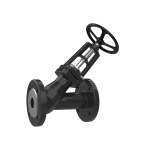
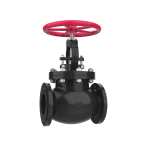
Valves in water treatment and distribution manage fluid flow for filtration, disinfection, and distribution processes. Designed for durability and efficiency, gate, globe, and butterfly valves ensure reliable and safe operations in maintaining water quality. These valves play a vital role in optimizing the effectiveness of water treatment and distribution systems.


Committed to your efficiency
Experience reduced maintenance downtime and increased operational efficiency with our advanced valve solutions tailored for industries. Our innovative designs prioritize durability, minimizing the need for frequent maintenance, ensuring sustained reliability and cost-effectiveness for your industrial processes.
Main applications for the water treatment and distribution industry
In the water treatment and distribution industry, valves play crucial roles in controlling fluid flow and ensuring the efficiency, safety, and reliability of various processes. Key applications include:
| Water Treatment Plants: Valves regulate the flow of water through different treatment stages, including sedimentation, filtration, and disinfection, ensuring the removal of impurities and pathogens.
| Pump Stations: Valves control the flow of water in pump stations, facilitating the movement of treated water through distribution pipelines and maintaining optimal pressure levels.
| Distribution Networks: Valves are strategically placed in distribution pipelines to control water flow, manage pressure, and isolate sections for maintenance or emergency response, ensuring reliable water supply to consumers.
| Pressure Control: Pressure-reducing valves (PRVs) and pressure-sustaining valves (PSVs) are used to maintain consistent and safe pressure levels in the water distribution system, preventing over-pressurization.
| Reservoirs and Tanks: Valves control the filling and emptying of water storage reservoirs and tanks, managing water levels and ensuring a stable and continuous water supply.
| Backflow Prevention: Check valves and backflow preventers are employed to ensure that water flows in one direction, preventing contamination of the potable water supply by backflow from industrial or non-potable sources.
| Water Meters: Valves are integrated into water metering systems to regulate the flow of water to individual consumers, aiding in accurate measurement and billing.
| Fire Hydrants: Valves are an integral part of fire hydrants, allowing for controlled release of water for firefighting purposes and emergency situations.
| Water Treatment Chemical Dosing: Valves contribute to the precise dosing of water treatment chemicals, such as disinfectants and coagulants, ensuring optimal water quality.
| Smart Water Networks: Modern control valves are used in smart water networks to remotely monitor and control water distribution, enabling proactive leak detection, pressure management, and overall system optimization.
In summary, valves are fundamental components in the water treatment and distribution industry, playing critical roles in maintaining water quality, controlling pressure, and ensuring a reliable and safe water supply to communities.