Steel
industry
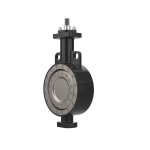
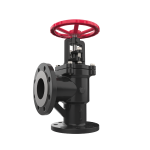
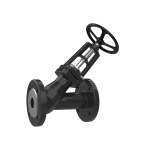
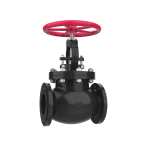
Metal industry valves control fluid or gas flow in processes like smelting and fabrication. Resilient to high temperatures and corrosive conditions, they enhance safety and efficiency in metal manufacturing. Common types include gate, globe, and check valves, each serving specific applications.


Committed to your efficiency
Experience reduced maintenance downtime and increased operational efficiency with our advanced valve solutions tailored for industries. Our innovative designs prioritize durability, minimizing the need for frequent maintenance, ensuring sustained reliability and cost-effectiveness for your industrial processes.
Main applications for the steel industry
In the steel industry, valves play critical roles in various processes to control the flow of liquids and gases. Key applications include:
| Blast Furnace Operations: Valves are used to control the flow of air and gases in blast furnaces, ensuring precise regulation of temperatures and facilitating the production of molten iron.
| Steel Casting and Rolling: Valves are employed in the casting and rolling processes to regulate the flow of water, coolants, and other fluids, optimizing temperature control and ensuring the quality of the steel product.
| Cooling Systems: Valves contribute to the efficient operation of cooling systems by controlling the flow of water or other cooling agents. This is crucial for maintaining temperatures in various stages of steel production.
| Gas Purification: Valves are used in gas purification systems to control the flow of gases, such as oxygen and nitrogen, required for different steelmaking processes, ensuring the desired chemical composition of the steel.
| Material Handling: Valves play a role in material handling systems, regulating the flow of materials such as raw ores, additives, and fluxes during the steelmaking process.
| Steam and Boiler Systems: Valves are integral in steam and boiler systems, controlling the flow of steam for power generation and other energy-intensive processes within the steel plant.
| Dust and Emission Control: Valves are employed in dust collection and emission control systems to regulate airflow, ensuring compliance with environmental standards and creating a safer working environment.
| Utility Systems: Valves are used in utility systems to control water supply, compressed air, and other utilities required for various operations in the steel plant.
Overall, valves are fundamental components in the steel industry, contributing to the efficiency, safety, and precision of processes throughout the steel production lifecycle.