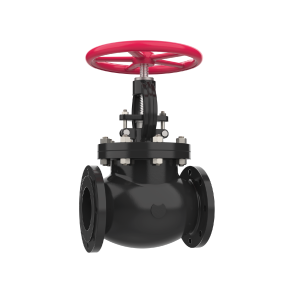
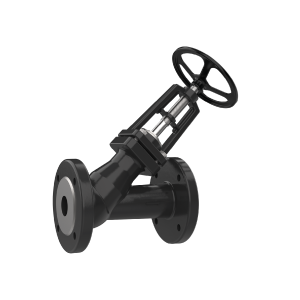
BW | 3-Way ball valves

Categories:

Our BORE BW model 3-way ball valves are essential components in fluid control systems, featuring a design with three ports that allows for diverse flow configurations. Their T or L-shaped configurations offer flexibility for various applications. In a T-configuration, the valve can divert flow between one inlet and two outlets (or vice versa), while an L-configuration allows control of flow between two inlets and one outlet (or vice versa).

These valves find extensive use in industries such as chemical processing, water treatment, and HVAC systems. They play a crucial role in tasks like blending different fluids, regulating temperature by mixing hot and cold streams, and creating bypass systems for maintenance or process optimization. The versatility of 3-way ball valves makes them invaluable for applications requiring precise flow control and redirection.


SIZE: DN15 to DN600 ( NPS 1/2” to 24”).

PRESSURE: PN16 to PN420 (Class 150# to 2500#).

3-WAY BALL VALVES

Our BORE BW model 3-way ball valve is a type of ball valve that has three ports or openings through which the flow of fluid can be controlled. These valves are designed to allow or block the flow of fluid in different configurations, providing versatility in various applications. Here’s a general description of 3-way ball valves:


Body Design: 3-way ball valves typically have a T or L-shaped configuration, depending on the design. The T-shaped valves have one inlet and two outlets (or vice versa), forming a T shape, while L-shaped valves have two inlets and one outlet (or vice versa), forming an L shape.


Port Configurations: The three ports in a 3-way ball valve are commonly labeled as the “A,” “B,” and “C” ports. The flow configuration depends on how these ports are interconnected. Common port configurations include: T-Port or L-port design. The T-port configuration has three ports, where the ball can be positioned to connect the common port (C) to either A or B, allowing for different flow paths. IN the other hand, the L-Port Valve configuration also has three ports, where the ball can be positioned to connect the common port (C) to either A or B, or to both simultaneously, allowing for three different flow paths.


Flow Control: By rotating the ball inside the valve, the operator can control the flow direction and distribution. The ball can be turned to allow flow between any two ports, or in the case of an L-port valve, between all three ports.


Applications: 3-way ball valves find applications in various industries where complex flow configurations or diversion of flow is required. Common applications include mixing or blending of fluids, bypass systems, and directing flow between different processes.


Materials and Construction: These valves are constructed from materials suitable for the specific application, such as stainless steel, brass, or other alloys. The choice of materials depends on factors like the type of fluid, pressure, and temperature conditions.


Actuation: 3-way ball valves can be operated manually or automated using actuators. Actuators may be electric, pneumatic, or hydraulic, providing remote and automated control of the valve.


Sealing Mechanism: Similar to standard ball valves, 3-way ball valves have sealing mechanisms, typically soft seats made of materials like PTFE or other elastomers, to provide a tight seal when the valve is closed.


Versatility: The versatility of 3-way ball valves lies in their ability to offer multiple flow configurations with a single valve, reducing the need for additional valves and piping in certain applications.


Common uses of 3-way ball valves include directing flow between different tanks or processes, regulating temperature by mixing hot and cold fluids, and creating bypass systems for maintenance or process optimization. Their flexibility makes them valuable in scenarios where flow control needs are more complex than what can be achieved with a traditional 2-way ball valve.


ABOUT BORE BRAND

BORE valves has been established as a Spanish valve development company with own engineering and workshop for a wide range of industrial applications Worldwide.Many years of experience leading valve engineering works succeed in the best quality and efficient designs to be able to withstand the most demanding applications. Our ENGINEERING TEAM and MANUFACTURING PROFESSIONALS are proud of every product made, ensuring the most reliable designs and best material performance to exceed every customer requirement.

At BORE valves, we take pride in being a reliable provider of high-quality and cost-effective API industrial valves. With a rich background in engineering, manufacturing and sourcing from top-notch suppliers, together with our manufacturing procedures and quality management system, we ensure that our valves can meet the highest industry standards to meet and exceed your expectations. Our commitment to delivering the highest quality industrial valves begins with a meticulous approach to design, engineering, and production control. We work with the most popular software tools that, together with long time proved experience and know-how, every valve becomes a cost-effective design solution and able to comply with the most demanding standards and customer specifications.

Applications

3-way ball valves find numerous applications across various industries due to their ability to control and direct the flow of fluids in different configurations. Here are some common applications for 3-way ball valves:


Mixing and Blending: In industries where different fluids need to be mixed or blended in varying proportions, 3-way ball valves are used to control the flow from two sources into a common outlet.


Temperature Control: 3-way ball valves are employed in systems where temperature control is critical. By mixing hot and cold fluids, these valves help regulate the temperature of the output fluid.


Bypass Systems: They are used in bypass systems, allowing the operator to divert the flow around certain components or processes for maintenance or optimization without shutting down the entire system.


Diverting Flow: 3-way ball valves are utilized to divert the flow of fluid between different paths or processes. This is common in chemical processing, water treatment, and other industrial applications.


Distribution Systems: In fluid distribution systems, 3-way ball valves can be used to control the flow direction and distribution of fluids between different pipelines or tanks.


Process Control: These valves play a crucial role in process control systems, allowing operators to redirect the flow of liquids or gases to achieve specific process requirements.


Sampling Systems: 3-way ball valves are used in sampling applications where fluid samples need to be taken from different points in a process. They facilitate the selection of the sampling point.


Hydronic Heating Systems: In hydronic heating systems, 3-way ball valves help control the flow of hot water through different zones, enabling the modulation of temperature in different areas of a building.


Chemical Processing: In chemical plants, 3-way ball valves are used for precise control over chemical flows, allowing for mixing, dilution, or diversion of chemicals during various processes.


Pneumatic Conveying Systems: 3-way ball valves are employed in pneumatic conveying systems to direct the flow of air or other gases to different sections of the system, facilitating material transport.


Fluid Diversion in Laboratories: Laboratories use 3-way ball valves for diverting fluid flow in experimental setups, ensuring flexibility in the control and distribution of liquids or gases.


Water and Wastewater Treatment: These valves are used in water and wastewater treatment plants to control the distribution of fluids between different treatment processes.


Biopharmaceutical Manufacturing: In the pharmaceutical industry, especially in biopharmaceutical manufacturing, 3-way ball valves are used for controlling the flow of media in fermentation processes and other critical applications.


Cooling Systems: 3-way ball valves are employed in cooling systems to regulate the flow of cooling water and control the temperature in industrial machinery.


Automated Process Control: With the addition of actuators, 3-way ball valves can be integrated into automated process control systems for enhanced efficiency and remote operation.


These applications demonstrate the versatility of 3-way ball valves in handling complex flow configurations and addressing specific requirements in various industrial processes.

Documentation

3-WAY BALL VALVES

Our BORE BW model 3-way ball valve is a type of ball valve that has three ports or openings through which the flow of fluid can be controlled. These valves are designed to allow or block the flow of fluid in different configurations, providing versatility in various applications. Here’s a general description of 3-way ball valves:


Body Design: 3-way ball valves typically have a T or L-shaped configuration, depending on the design. The T-shaped valves have one inlet and two outlets (or vice versa), forming a T shape, while L-shaped valves have two inlets and one outlet (or vice versa), forming an L shape.


Port Configurations: The three ports in a 3-way ball valve are commonly labeled as the “A,” “B,” and “C” ports. The flow configuration depends on how these ports are interconnected. Common port configurations include: T-Port or L-port design. The T-port configuration has three ports, where the ball can be positioned to connect the common port (C) to either A or B, allowing for different flow paths. IN the other hand, the L-Port Valve configuration also has three ports, where the ball can be positioned to connect the common port (C) to either A or B, or to both simultaneously, allowing for three different flow paths.


Flow Control: By rotating the ball inside the valve, the operator can control the flow direction and distribution. The ball can be turned to allow flow between any two ports, or in the case of an L-port valve, between all three ports.


Applications: 3-way ball valves find applications in various industries where complex flow configurations or diversion of flow is required. Common applications include mixing or blending of fluids, bypass systems, and directing flow between different processes.


Materials and Construction: These valves are constructed from materials suitable for the specific application, such as stainless steel, brass, or other alloys. The choice of materials depends on factors like the type of fluid, pressure, and temperature conditions.


Actuation: 3-way ball valves can be operated manually or automated using actuators. Actuators may be electric, pneumatic, or hydraulic, providing remote and automated control of the valve.


Sealing Mechanism: Similar to standard ball valves, 3-way ball valves have sealing mechanisms, typically soft seats made of materials like PTFE or other elastomers, to provide a tight seal when the valve is closed.


Versatility: The versatility of 3-way ball valves lies in their ability to offer multiple flow configurations with a single valve, reducing the need for additional valves and piping in certain applications.


Common uses of 3-way ball valves include directing flow between different tanks or processes, regulating temperature by mixing hot and cold fluids, and creating bypass systems for maintenance or process optimization. Their flexibility makes them valuable in scenarios where flow control needs are more complex than what can be achieved with a traditional 2-way ball valve.


ABOUT BORE BRAND

BORE valves has been established as a Spanish valve development company with own engineering and workshop for a wide range of industrial applications Worldwide.Many years of experience leading valve engineering works succeed in the best quality and efficient designs to be able to withstand the most demanding applications. Our ENGINEERING TEAM and MANUFACTURING PROFESSIONALS are proud of every product made, ensuring the most reliable designs and best material performance to exceed every customer requirement.

At BORE valves, we take pride in being a reliable provider of high-quality and cost-effective API industrial valves. With a rich background in engineering, manufacturing and sourcing from top-notch suppliers, together with our manufacturing procedures and quality management system, we ensure that our valves can meet the highest industry standards to meet and exceed your expectations. Our commitment to delivering the highest quality industrial valves begins with a meticulous approach to design, engineering, and production control. We work with the most popular software tools that, together with long time proved experience and know-how, every valve becomes a cost-effective design solution and able to comply with the most demanding standards and customer specifications.

Applications

3-way ball valves find numerous applications across various industries due to their ability to control and direct the flow of fluids in different configurations. Here are some common applications for 3-way ball valves:


Mixing and Blending: In industries where different fluids need to be mixed or blended in varying proportions, 3-way ball valves are used to control the flow from two sources into a common outlet.


Temperature Control: 3-way ball valves are employed in systems where temperature control is critical. By mixing hot and cold fluids, these valves help regulate the temperature of the output fluid.


Bypass Systems: They are used in bypass systems, allowing the operator to divert the flow around certain components or processes for maintenance or optimization without shutting down the entire system.


Diverting Flow: 3-way ball valves are utilized to divert the flow of fluid between different paths or processes. This is common in chemical processing, water treatment, and other industrial applications.


Distribution Systems: In fluid distribution systems, 3-way ball valves can be used to control the flow direction and distribution of fluids between different pipelines or tanks.


Process Control: These valves play a crucial role in process control systems, allowing operators to redirect the flow of liquids or gases to achieve specific process requirements.


Sampling Systems: 3-way ball valves are used in sampling applications where fluid samples need to be taken from different points in a process. They facilitate the selection of the sampling point.


Hydronic Heating Systems: In hydronic heating systems, 3-way ball valves help control the flow of hot water through different zones, enabling the modulation of temperature in different areas of a building.


Chemical Processing: In chemical plants, 3-way ball valves are used for precise control over chemical flows, allowing for mixing, dilution, or diversion of chemicals during various processes.


Pneumatic Conveying Systems: 3-way ball valves are employed in pneumatic conveying systems to direct the flow of air or other gases to different sections of the system, facilitating material transport.


Fluid Diversion in Laboratories: Laboratories use 3-way ball valves for diverting fluid flow in experimental setups, ensuring flexibility in the control and distribution of liquids or gases.


Water and Wastewater Treatment: These valves are used in water and wastewater treatment plants to control the distribution of fluids between different treatment processes.


Biopharmaceutical Manufacturing: In the pharmaceutical industry, especially in biopharmaceutical manufacturing, 3-way ball valves are used for controlling the flow of media in fermentation processes and other critical applications.


Cooling Systems: 3-way ball valves are employed in cooling systems to regulate the flow of cooling water and control the temperature in industrial machinery.


Automated Process Control: With the addition of actuators, 3-way ball valves can be integrated into automated process control systems for enhanced efficiency and remote operation.


These applications demonstrate the versatility of 3-way ball valves in handling complex flow configurations and addressing specific requirements in various industrial processes.

Documentation

A valve solution for every industry.

icon mining

Mining

icon metal

Steel

icon food

Food

icon power

Power

icon cement

Cement

icon chemistry

Chemical

icon paper

Paper

icon water

Water

icon oil and gas

Oil&Gas

icon alternatives

Bio