Chemical
industry
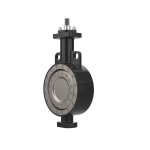
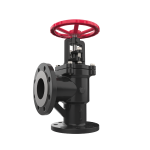
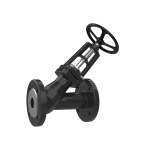
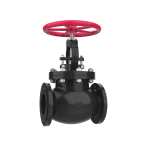
Valves in the chemical industry regulate fluid flow for precise control in various processes such as mixing, reaction, and transportation of chemicals. Designed to withstand corrosive environments, gate, globe, and diaphragm valves ensure safety and reliability in chemical manufacturing. Their critical role lies in maintaining the integrity of chemical processes and enhancing overall operational efficiency.

Committed to your efficiency
Experience reduced maintenance downtime and increased operational efficiency with our advanced valve solutions tailored for industries. Our innovative designs prioritize durability, minimizing the need for frequent maintenance, ensuring sustained reliability and cost-effectiveness for your industrial processes.
Main applications for the chemical industry
In the chemical industry, valves play essential roles in controlling fluid flow and ensuring the safety, precision, and efficiency of various processes. Key applications include:
| Chemical Processing: Valves regulate the flow of chemicals during mixing, blending, and reaction processes, ensuring precise control over the composition and quality of chemical products.
| Pipelines and Transport: Valves control the flow of chemicals through pipelines, facilitating the transportation of raw materials and finished products between different stages of the chemical manufacturing process.
| Reactor Systems: Valves are used in reactor systems to control the flow of reactants, catalysts, and other fluids, contributing to the optimization of chemical reactions and the production of desired compounds.
| Distillation and Separation: Valves are employed in distillation columns and separation units to control the flow of liquids and gases, facilitating the separation and purification of chemical components.
| Cooling and Heat Exchange: Valves regulate the flow of cooling water and other heat transfer fluids, ensuring controlled temperatures in various stages of chemical processing, such as condensation and exothermic reactions.
| Pressure and Vacuum Systems: Valves play a critical role in maintaining precise pressure levels in vessels and systems, contributing to safety and operational efficiency during chemical manufacturing.
| Storage and Tank Farm Operations: Valves control the filling, emptying, and venting of storage tanks, ensuring safe and efficient handling of chemicals within tank farms.
| Acid and Corrosive Substance Handling: Valves designed for corrosive environments are used to control the flow of acids and other corrosive substances, preventing damage to equipment and ensuring safety.
| Gas Handling: Valves regulate the flow of gases used in various chemical processes, including inert gases, compressed air, and specialty gases required for specific reactions and operations.
| Safety Systems: Valves are integrated into safety systems, including emergency shutdown valves, to quickly isolate equipment or systems in case of critical events, ensuring the protection of personnel and assets.
In summary, valves are fundamental components in the chemical industry, contributing to the control, safety, and efficiency of processes involved in the production of a wide range of chemical products.