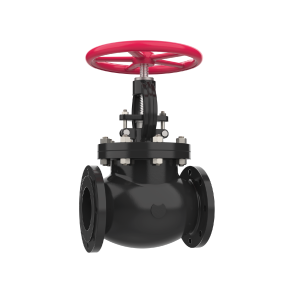
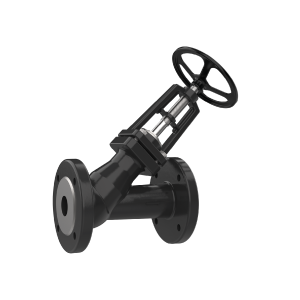
GR | Resilient gate valves

Categories:

Our BORE GR model resilient seated gate valve is a type of industrial valve designed for controlling the flow of fluids in a pipeline. A resilient seat gate valve is a type of gate valve that incorporates a resilient or elastic material, such as rubber or a synthetic elastomer, in the seating area to enhance sealing performance. This design is aimed at improving the valve’s ability to create a tight seal, reducing the chances of leakage when the valve is in the closed position.


SIZE: DN50 to DN900 ( NPS 2” to 36”).

PRESSURE: PN10 to PN25 (Class 150#).

RESILIENT SEATED GATE VALVES

Our BORE GR model resilient seated gate valve is a type of industrial valve designed for controlling the flow of fluids in a pipeline. A resilient seat gate valve is a type of gate valve that incorporates a resilient or elastic material, such as rubber or a synthetic elastomer, in the seating area to enhance sealing performance. This design is aimed at improving the valve’s ability to create a tight seal, reducing the chances of leakage when the valve is in the closed position. Here are some key features and characteristics of resilient seat gate valves:


Seat Material: The resilient seat, typically made of rubber or a similar material, is integrated into the valve to form a flexible and deformable sealing surface.

Gate Design: The gate in a resilient seat gate valve is often designed to match the shape of the seat, ensuring a proper seal when the valve is closed.

Sealing Mechanism: When the valve is in the closed position, the resilient seat compresses against the gate, creating a tight seal to prevent the passage of fluids.

Bi-Directional Sealing: Resilient seat gate valves are often designed to provide bidirectional sealing, meaning they can effectively prevent backflow in both directions.

Low Operating Torque: The use of a resilient seat reduces the friction between the gate and the seat, resulting in lower operating torque requirements. This can be beneficial for easier operation, especially in manual applications.

Resistance to Contaminants: Resilient materials are often resistant to contamination, corrosion, and scaling, contributing to the longevity and reliability of the valve.

Applications: Resilient seat gate valves are commonly used in water and wastewater systems, irrigation, and various applications where a tight shut-off is required.

Sizes and Pressure Ratings: Resilient seat gate valves are available in a range of sizes and pressure ratings to accommodate different system requirements.

Ease of Maintenance: The resilient seat design can simplify maintenance, as the replaceable seat can be easily changed without removing the entire valve from the pipeline.


It’s important to note that while resilient seat gate valves offer advantages in terms of sealing performance and ease of use, their application is often suited for situations where absolute shutoff is not critical, and some leakage during operation is acceptable. As with any valve selection, the choice of a resilient seat gate valve should be based on the specific requirements of the system and the nature of the fluids being handled.


ABOUT BORE BRAND

BORE valves has been established as a Spanish valve development company with own engineering and workshop for a wide range of industrial applications Worldwide.Many years of experience leading valve engineering works succeed in the best quality and efficient designs to be able to withstand the most demanding applications. Our ENGINEERING TEAM and MANUFACTURING PROFESSIONALS are proud of every product made, ensuring the most reliable designs and best material performance to exceed every customer requirement.

At BORE valves, we take pride in being a reliable provider of high-quality and cost-effective API industrial valves. With a rich background in engineering, manufacturing and sourcing from top-notch suppliers, together with our manufacturing procedures and quality management system, we ensure that our valves can meet the highest industry standards to meet and exceed your expectations. Our commitment to delivering the highest quality industrial valves begins with a meticulous approach to design, engineering, and production control. We work with the most popular software tools that, together with long time proved experience and know-how, every valve becomes a cost-effective design solution and able to comply with the most demanding standards and customer specifications.

Applications

Resilient seat gate valves are commonly used in various applications where a reliable and tight shut-off is required. Some of the key applications include:


Water and Wastewater Systems: Resilient seat gate valves are widely used in water treatment plants, distribution systems, and wastewater treatment facilities for controlling the flow of water.


Irrigation Systems: Agricultural irrigation systems benefit from resilient seat gate valves due to their ability to provide a tight seal, preventing water wastage.


Fire Protection Systems: Resilient seat gate valves are employed in fire protection systems to control the flow of water in case of emergencies.


HVAC Systems: Heating, ventilation, and air conditioning (HVAC) systems use resilient seat gate valves for controlling the flow of water and other fluids in heating and cooling applications.


Mining Operations: Resilient seat gate valves are used in mining operations for controlling the flow of water, slurries, and other fluids in various processes.


Industrial Processes: Various industrial applications, including manufacturing and processing plants, use resilient seat gate valves for fluid control in different stages of production.


Chemical Processing: Resilient seat gate valves find applications in the chemical industry, where they are used to control the flow of chemicals within production and processing systems.


Power Generation: Power plants utilize resilient seat gate valves in steam and water systems to regulate fluid flow in boilers, turbines, and other equipment.


Oil and Gas Industry: In the oil and gas sector, resilient seat gate valves are used in pipelines and processing facilities for controlling the flow of crude oil, natural gas, and other hydrocarbons.


Marine Applications: Resilient seat gate valves are used in shipbuilding and marine applications for controlling the flow of liquids in piping systems on vessels.


These valves are favored in applications where a tight seal is essential, and they offer advantages such as bidirectional sealing, low operating torque, and resistance to contamination. The specific choice of a resilient seat gate valve depends on the requirements of the system, including factors such as pressure, temperature, and the nature of the fluids being handled.

Documentation

RESILIENT SEATED GATE VALVES

Our BORE GR model resilient seated gate valve is a type of industrial valve designed for controlling the flow of fluids in a pipeline. A resilient seat gate valve is a type of gate valve that incorporates a resilient or elastic material, such as rubber or a synthetic elastomer, in the seating area to enhance sealing performance. This design is aimed at improving the valve’s ability to create a tight seal, reducing the chances of leakage when the valve is in the closed position. Here are some key features and characteristics of resilient seat gate valves:


Seat Material: The resilient seat, typically made of rubber or a similar material, is integrated into the valve to form a flexible and deformable sealing surface.

Gate Design: The gate in a resilient seat gate valve is often designed to match the shape of the seat, ensuring a proper seal when the valve is closed.

Sealing Mechanism: When the valve is in the closed position, the resilient seat compresses against the gate, creating a tight seal to prevent the passage of fluids.

Bi-Directional Sealing: Resilient seat gate valves are often designed to provide bidirectional sealing, meaning they can effectively prevent backflow in both directions.

Low Operating Torque: The use of a resilient seat reduces the friction between the gate and the seat, resulting in lower operating torque requirements. This can be beneficial for easier operation, especially in manual applications.

Resistance to Contaminants: Resilient materials are often resistant to contamination, corrosion, and scaling, contributing to the longevity and reliability of the valve.

Applications: Resilient seat gate valves are commonly used in water and wastewater systems, irrigation, and various applications where a tight shut-off is required.

Sizes and Pressure Ratings: Resilient seat gate valves are available in a range of sizes and pressure ratings to accommodate different system requirements.

Ease of Maintenance: The resilient seat design can simplify maintenance, as the replaceable seat can be easily changed without removing the entire valve from the pipeline.


It’s important to note that while resilient seat gate valves offer advantages in terms of sealing performance and ease of use, their application is often suited for situations where absolute shutoff is not critical, and some leakage during operation is acceptable. As with any valve selection, the choice of a resilient seat gate valve should be based on the specific requirements of the system and the nature of the fluids being handled.


ABOUT BORE BRAND

BORE valves has been established as a Spanish valve development company with own engineering and workshop for a wide range of industrial applications Worldwide.Many years of experience leading valve engineering works succeed in the best quality and efficient designs to be able to withstand the most demanding applications. Our ENGINEERING TEAM and MANUFACTURING PROFESSIONALS are proud of every product made, ensuring the most reliable designs and best material performance to exceed every customer requirement.

At BORE valves, we take pride in being a reliable provider of high-quality and cost-effective API industrial valves. With a rich background in engineering, manufacturing and sourcing from top-notch suppliers, together with our manufacturing procedures and quality management system, we ensure that our valves can meet the highest industry standards to meet and exceed your expectations. Our commitment to delivering the highest quality industrial valves begins with a meticulous approach to design, engineering, and production control. We work with the most popular software tools that, together with long time proved experience and know-how, every valve becomes a cost-effective design solution and able to comply with the most demanding standards and customer specifications.
Applications

Resilient seat gate valves are commonly used in various applications where a reliable and tight shut-off is required. Some of the key applications include:


Water and Wastewater Systems: Resilient seat gate valves are widely used in water treatment plants, distribution systems, and wastewater treatment facilities for controlling the flow of water.


Irrigation Systems: Agricultural irrigation systems benefit from resilient seat gate valves due to their ability to provide a tight seal, preventing water wastage.


Fire Protection Systems: Resilient seat gate valves are employed in fire protection systems to control the flow of water in case of emergencies.


HVAC Systems: Heating, ventilation, and air conditioning (HVAC) systems use resilient seat gate valves for controlling the flow of water and other fluids in heating and cooling applications.


Mining Operations: Resilient seat gate valves are used in mining operations for controlling the flow of water, slurries, and other fluids in various processes.


Industrial Processes: Various industrial applications, including manufacturing and processing plants, use resilient seat gate valves for fluid control in different stages of production.


Chemical Processing: Resilient seat gate valves find applications in the chemical industry, where they are used to control the flow of chemicals within production and processing systems.


Power Generation: Power plants utilize resilient seat gate valves in steam and water systems to regulate fluid flow in boilers, turbines, and other equipment.


Oil and Gas Industry: In the oil and gas sector, resilient seat gate valves are used in pipelines and processing facilities for controlling the flow of crude oil, natural gas, and other hydrocarbons.


Marine Applications: Resilient seat gate valves are used in shipbuilding and marine applications for controlling the flow of liquids in piping systems on vessels.


These valves are favored in applications where a tight seal is essential, and they offer advantages such as bidirectional sealing, low operating torque, and resistance to contamination. The specific choice of a resilient seat gate valve depends on the requirements of the system, including factors such as pressure, temperature, and the nature of the fluids being handled.

Documentation

A valve solution for every industry.

icon mining

Mining

icon metal

Steel

icon food

Food

icon power

Power

icon cement

Cement

icon chemistry

Chemical

icon paper

Paper

icon water

Water

icon oil and gas

Oil&Gas

icon alternatives

Bio